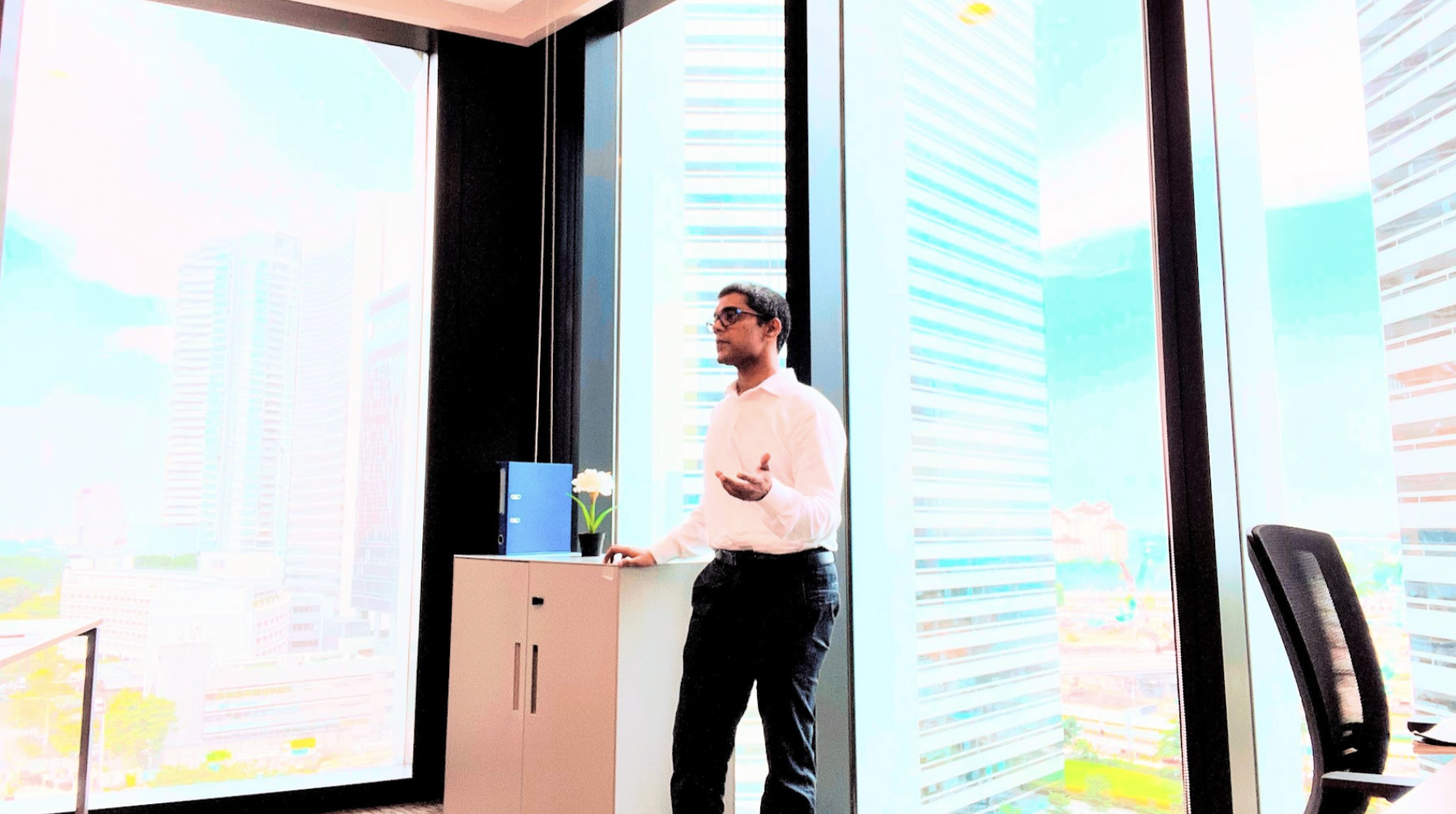
One of the most meaningful assignments I worked on recently was a 1-year sustainability consulting engagement for a leading European BFSI conglomerate operating across APAC and Europe.
What began as a conversation with the organisation’s CHRO and CSO evolved into a cross-functional sustainability transformation initiative involving collaboration across leadership teams including the CEO, CFO, HR, Sustainability, Operations, Legal, CMO and external ecosystem stakeholders.
The objective was never to create “another CSR activity.”
The vision was to build a measurable, scalable, employee-led climate engagement ecosystem aligned with ESG outcomes, biodiversity restoration, stakeholder participation, and long-term organisational purpose.
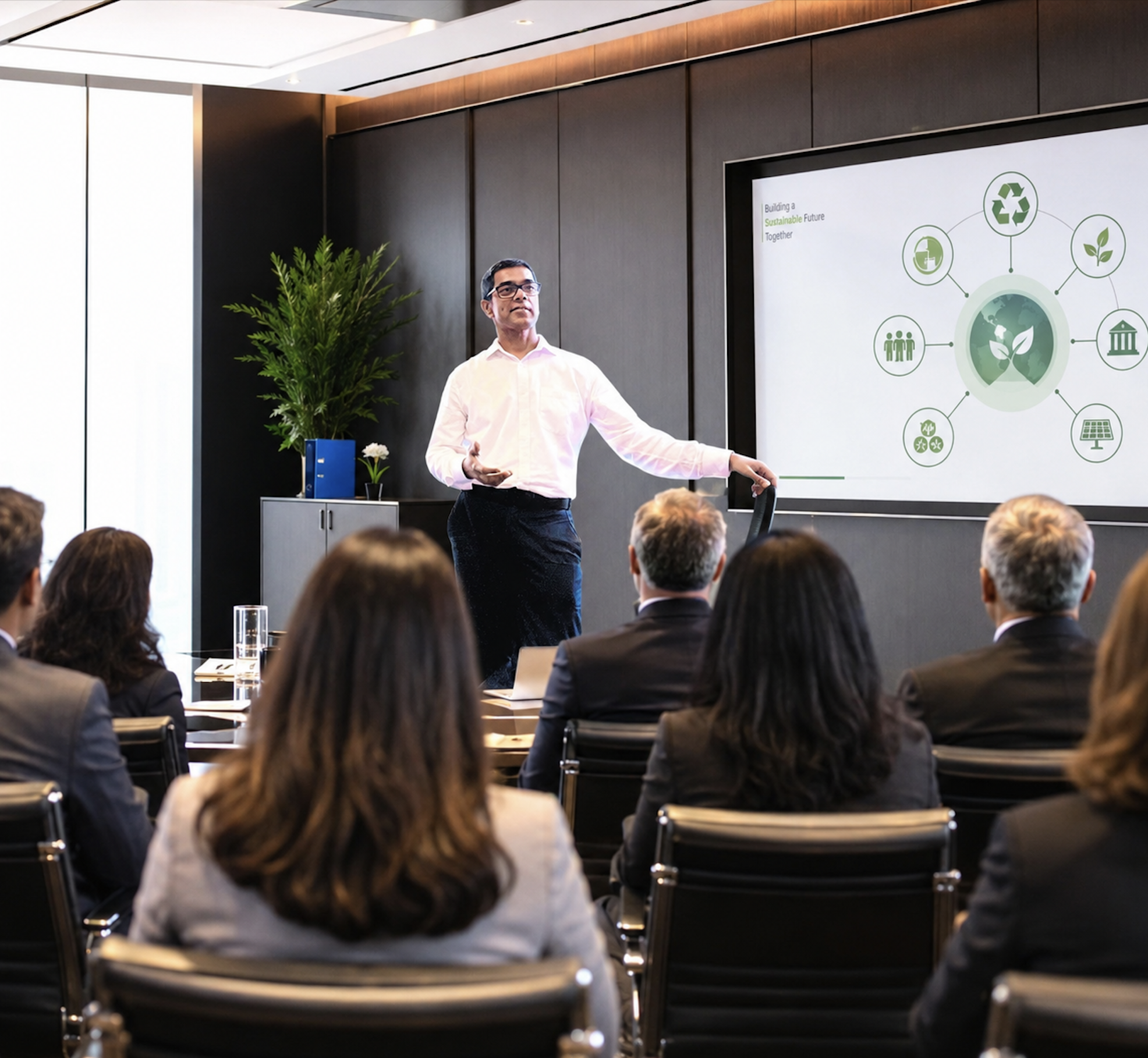
Over the course of the project, I worked closely with teams across regions to:
• Design sustainability engagement frameworks aligned with business and ESG priorities
• Conduct leadership alignment and stakeholder engagement discussions across functions
• Develop employee volunteering and climate participation models at enterprise scale
• Support HR and Sustainability teams with external ecosystem and funding engagement approaches
• Build strategic sustainability communication and green marketing narratives integrated with organisational purpose
• Align NGOs, infrastructure stakeholders, leadership teams, employees, and community ecosystems behind one unified sustainability vision
Key outcomes and engagement metrics included:
• 10,000+ saplings planned and aligned through ecosystem collaboration models
• 2,000+ external volunteers and community ecosystem participants aligned
• Multiple leadership and stakeholder consultation discussions across APAC-linked teams
• Cross-functional coordination spanning Sustainability, HR, Marketing, CSR, Legal Operations, and leadership offices
• Development of scalable volunteering, ESG engagement, and climate communication frameworks
• Exploration of blended funding and donor pathways through NGO, institutional, and ecosystem stakeholder alignment
What stood out most was this:
When sustainability is integrated with digital transformation, employee engagement, emerging technologies, leadership alignment, and measurable community impact, it stops being a reporting exercise and starts becoming an organisational transformation engine.
Grateful that this engagement emerged through a long-standing leadership relationship built over years of trust, collaboration, and shared vision.
As organisations across APAC and global markets navigate increasingly complex transformation mandates, I remain open to collaborating on strategic initiatives spanning digital transformation, digital marketing, sustainability, circular economy, emerging technologies, and purpose-led brand ecosystems particularly where diverse stakeholders, cross-market teams, leadership functions, and community networks must align behind one integrated organisational vision delivering measurable business, societal, and climate outcomes.
Regards,
Ananth