Designing Return-to-Work Pathways: Lessons from Structured Leadership Reintegration

It is said that before entering the sea
a river trembles with fear.
She looks back at the path she has traveled,
from the peaks of the mountains……


The opening lines from Khalil Gibran’s poem Fear capture a universal moment of transition the point where experience meets uncertainty.

This metaphor recently resonated during a structured return-to-work engagement I facilitated for a European BFSI organisation.
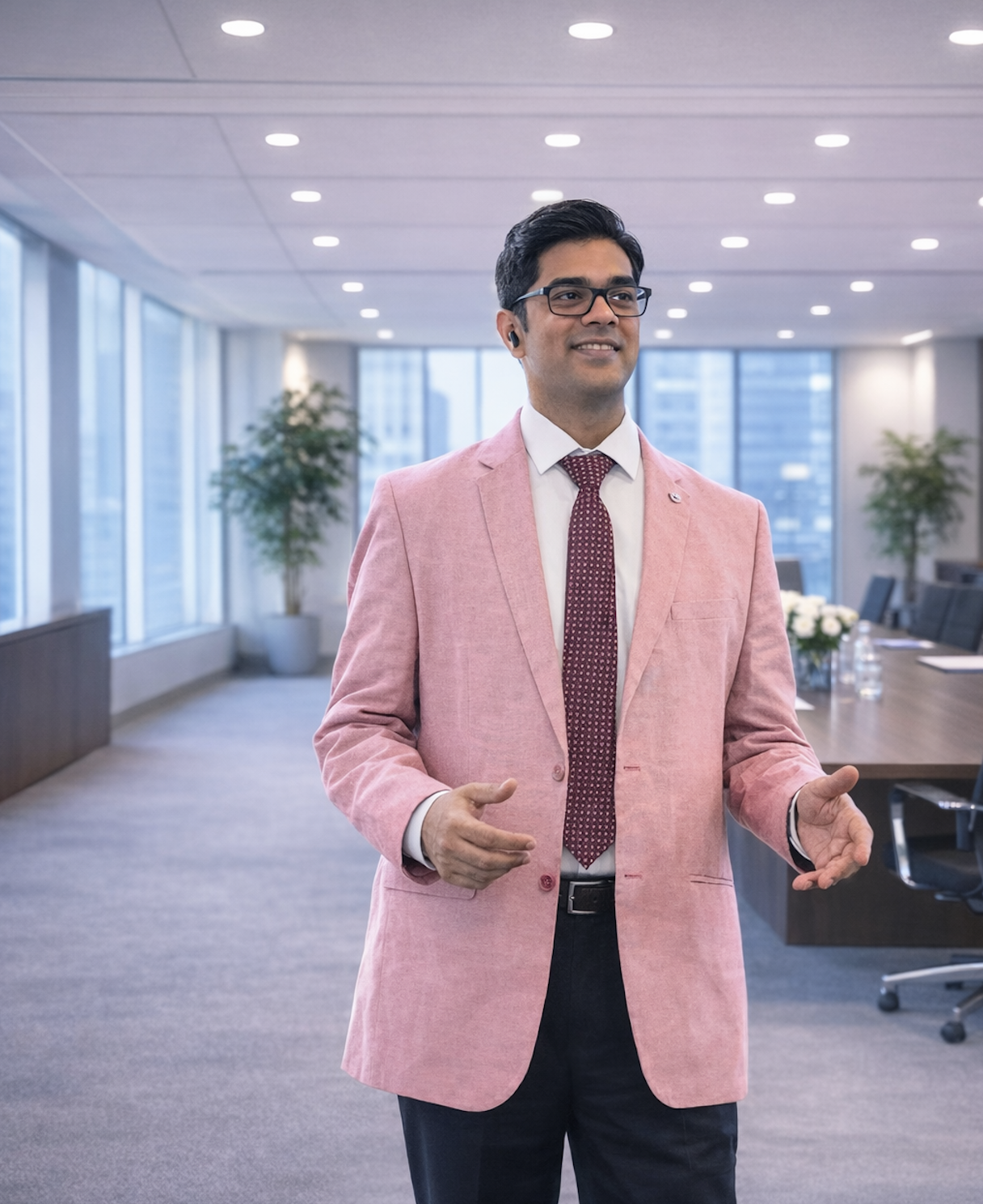
Women Leadership Training Development APAC CMO Marketing Singapore Leader Ananthanarayanan Venkateswaran

Programme overview

  • Duration: 4 months

  • 9 sessions

  • 26 hours of structured engagement

  • 23 professionals

  • 4 countries represented

The cohort consisted of experienced women professionals with 12–14 years of prior corporate experience across functions including HR, Learning & Development, Finance, Operations, Marketing, Legal, and Corporate Communications. All were preparing to re-enter the workforce after career breaks.

What distinguished this initiative was the organisation’s philosophy.

The engagement was not designed as a workshop. Instead, it was structured as a collaborative capability-building process involving participants, their managers, and leadership teams.

This distinction matters.

Career reintegration is rarely just about individual readiness. In many organisations it is fundamentally an organisational design challenge aligning role expectations, leadership support, and structural pathways for contribution.

Throughout the sessions, several tangible outcomes emerged.

A marketing leader worked with her manager to redefine her re-entry role, combining prior leadership experience with new cross-functional responsibilities focused on digital engagement and AI-enabled capability building.

A finance professional repositioned her return from a purely functional role to a strategic operations interface, strengthening collaboration between reporting, compliance, and leadership decision support.

Another participant from HR and L&D partnered with leadership to develop a knowledge-transfer and mentoring initiative, using her experience to reinforce internal capability development.

What made these shifts possible was the partnership model underlying the programme.

Participants brought experience and perspective.
Managers brought context and operational alignment.
The organisation created the structure that enabled both to succeed.

Over the past seven to eight years, I have had the opportunity to facilitate 25 extended capability engagements globally. A consistent pattern has emerged:

When organisations intentionally design return-to-work pathways, they often rediscover capability that was never lost—only waiting for the right context to re-emerge.

This raises an important leadership question.

When experienced professionals stand at the edge of returning like the river before it meets the sea are organisations creating systems that allow them to move forward with confidence, or structures that unintentionally create hesitation?

Because sometimes what looks like a pause in a career…
…is actually preparation for the next phase of contribution.

Just like the poem…..

The river needs to take the risk
of entering the ocean
because only then will fear disappear,
because that’s where the river will know
it’s not about disappearing into the ocean,
but of becoming the ocean.

Ananth V

Founder & CEO: APAC Transformation Leader & CMO, AI-Driven Growth
Techdivine Creative Services

AI-Driven CMO Leadership & Digital Transformation: Scaling Global Brand Growth, Sustainability and Stakeholder Engagement

The role of marketing leadership has evolved dramatically over the past decade. Today, Chief Marketing Officers are expected to operate not only as brand custodians but also as strategic growth leaders integrating AI, digital transformation, sustainability, and stakeholder engagement into measurable business outcomes.

Across global markets, the most effective marketing strategies increasingly combine data-driven insights, technology-enabled engagement, and purpose-driven storytelling. When these elements align, marketing becomes a catalyst for both commercial growth and institutional credibility.

Over the past two decades, I have had the opportunity to work across initiatives where marketing strategy extended beyond traditional brand communication. These engagements involved designing frameworks that connected digital transformation, sustainability initiatives, and stakeholder engagement strategies within complex organisational environments.

In one instance, the work centred around supporting the communication architecture for a large-scale environmental initiative linked to institutional funding and long-term sustainability commitments. The objective was to translate climate impact initiatives into credible narratives that could resonate simultaneously with corporate leadership, investors, and broader stakeholder ecosystems.

In another engagement within the social impact ecosystem, the focus was on strengthening donor engagement and mission communication through digital storytelling frameworks. The challenge involved aligning messaging across global partners, institutional stakeholders, and regional leadership teams while maintaining credibility around the organisation’s mission and measurable impact.

Experiences such as these highlight a broader shift taking place across industries. Marketing leadership today must operate at the intersection of technology, data, strategy, and purpose.

Three capabilities are becoming increasingly critical:

Strategic Narrative Development
Building communication frameworks that connect organisational purpose with long-term growth and stakeholder trust.

AI-Enabled Marketing Transformation
Leveraging data intelligence, predictive analytics, and digital platforms to create targeted engagement strategies and scalable growth models.

Stakeholder Trust Architecture
Designing engagement ecosystems that align customers, investors, partners, donors, policymakers, and communities around shared value creation.

When these elements work together, marketing evolves from campaign management into what can best be described as institutional trust engineering—the ability to translate strategy, purpose, and insight into sustained organisational credibility and growth.

As organisations globally navigate the intersection of AI innovation, sustainability priorities, and digital transformation, the future of marketing leadership will increasingly belong to executives who can bridge technology, storytelling, and measurable impact.

In this environment, marketing is no longer simply about visibility.
It is about architecting trust, enabling growth, and building long-term strategic value for organisations operating in an increasingly complex world.

Warm Regards,

Ananth V

LinkedIn

Recent posts:

Subscribe to RSS Feed Twitter @Techdivine